Introduction
Seminole Gospel Music is a unique and spiritually uplifting genre deeply rooted in the traditions of the Seminole people. This soulful music blends indigenous rhythms with Christian hymns, creating a powerful expression of faith, history, and culture. Over the years, it has played a significant role in community gatherings, worship services, and cultural preservation.
Origins of Seminole Gospel Music
The Seminole people, originally from Florida, have a long history of resilience and adaptation. As Christianity spread among the Seminoles in the 19th and 20th centuries, their traditional chants and music evolved to incorporate gospel influences. Using native instruments like hand drums and rattles alongside harmonized vocals, they created a distinctive style of gospel music that continues to inspire generations.
Musical Elements and Instruments
Seminole Gospel Music is characterized by:
- Call-and-Response Singing – A powerful interaction between a lead singer and the congregation.
- Indigenous Rhythms – Drumming patterns influenced by Seminole ceremonial music.
- Christian Hymns – Adaptations of traditional gospel songs with a unique Seminole twist.
- Traditional Instruments – Drums, rattles, and occasionally acoustic guitars accompany the vocals.
Cultural and Spiritual Significance
For the Seminole community, gospel music is more than just entertainment—it is a way to connect with ancestors, express faith, and strengthen unity. Many songs tell stories of survival, deliverance, and hope, reflecting the Seminole people’s journey through history.
Modern Influence and Preservation
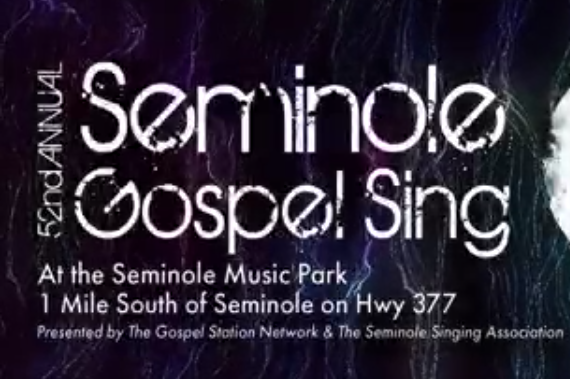
Today, Seminole Gospel Music is performed at:
- Church services
- Powwows and tribal gatherings
- Community events and festivals
Artists and choirs continue to pass down this tradition, ensuring that the younger generation remains connected to their cultural roots. Efforts are also being made to record and archive Seminole Gospel Music for future preservation.